
Can You Install Cable Railing on a Composite Deck?
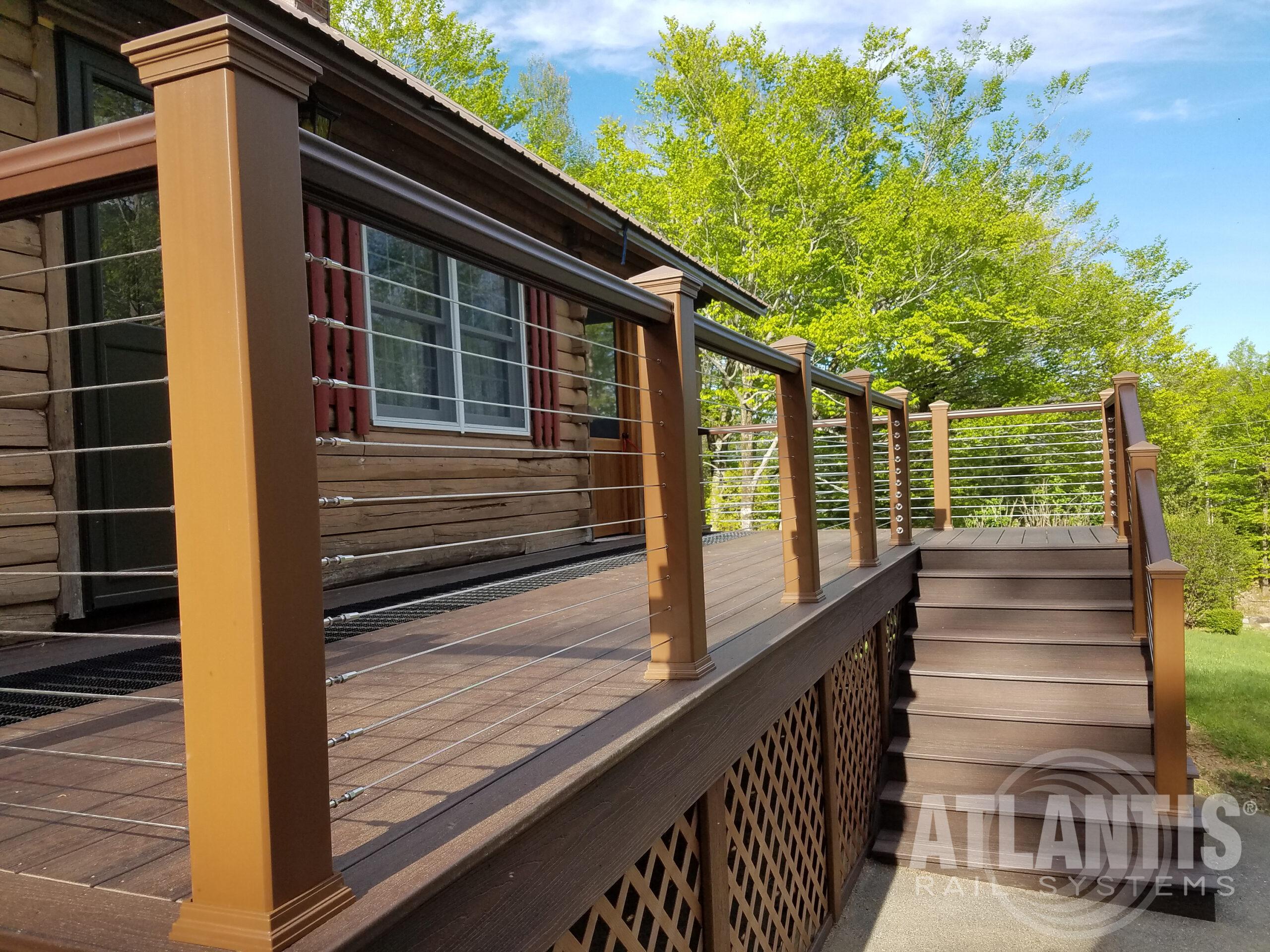
Yes, you can install cable railing on a composite deck. The key requirement is proper structural blocking behind the composite surface wherever posts attach, since composite boards alone do not provide enough resistance to handle the tension and lateral load that cable railing places on posts. With the right preparation, composite decks are fully compatible with cable railing systems.
Composite decking has become one of the most popular choices for low-maintenance outdoor living, and cable railing pairs naturally with it both visually and practically. The combination of a clean composite surface and open cable infill creates a sleek, contemporary deck that is easy to care for over time. The planning steps below ensure the installation is structurally sound and code-compliant.
What Does Your Planning Checklist Look Like Before You Order?
Work through each item before purchasing materials. Discovering a gap in preparation mid-installation is costly in both time and materials.
What Structural Blocking Do You Need for Cable Railing on a Composite Deck?
Structural blocking is the internal wood framing installed behind composite boards at post attachment points. It gives the post fasteners something solid to grip and distributes the tension load from the cable into the deck’s structural frame rather than the composite surface alone. Without blocking, posts can shift or pull loose over time under cable tension.
Blocking is typically installed before the composite decking goes down, which is why planning the railing layout before or during deck construction is far easier than retrofitting it afterward. If you are adding cable railing to a deck already finished with composite boards, you will need to either cut access to install blocking from below or plan to attach posts to the deck’s structural rim joist rather than through the composite surface. In some cases, surface-mount post bases anchored to the structural subframe beneath the composite boards can work without cutting the deck surface. Confirm your specific deck’s framing with a builder or installer before settling on an approach.
Can You Use Composite Boards as Post Surrounds, or Do You Need Post Sleeves?
Composite boards are not structural components and should not be used as the primary material supporting a cable railing post. Post sleeves, which are decorative wraps applied over a structural post, are a different matter: they can be used on composite decks to give the post a finished appearance that matches the composite color and profile.
Post sleeves do not change the structural requirement. The load-bearing post itself must be attached to solid blocking or the structural subframe, regardless of whether a decorative sleeve is applied over it. If the aesthetic goal is a clean, coordinated look between the deck surface and the post base, a composite-matched sleeve over a structural stainless steel or aluminum post is a common and effective solution.
Which Cable Railing Systems Are Compatible with Composite Decking?
Component-based cable railing systems that allow the homeowner to supply their own structural framing are the most flexible choice for composite deck installations. RailSimple cable railing is designed to make installation faster and easier than ever with no special tools required.
RailEasy™ cable railing components from Atlantis Rail are designed to work with a range of post materials and frame types, making them a widely used option for composite deck cable railing projects. HandiSwage™ components from the same lineup offer a similar level of framing flexibility with a swage-based tensioning approach.
Full-system kits that include proprietary post systems may or may not be compatible with composite framing, depending on how the posts are designed to attach. Always confirm that the system you choose can be mounted to the structural subframe of your specific deck configuration before purchasing.
How Does Cable Tension Affect a Composite Deck Frame?
Cable tension places a continuous outward load on the posts at each end of a cable run. These end posts, also called terminal or corner posts, bear significantly more force than intermediate posts along the run. On a composite deck, if that load is transferred to composite boards rather than structural framing, the boards can flex, compress, or allow post movement over time.
The fix is straightforward: ensure end posts are anchored to solid structural members, with blocking that transfers the tension load into the deck’s rim joist or beam rather than into the composite surface. In practice, this often means blocking is larger or more robust at end posts than at intermediate posts along the run. Review the railing installation instructions from Atlantis Rail for system-specific guidance on end-post structural requirements.
What Should You Confirm Before Ordering Cable Railing for a Composite Deck?
Before ordering materials, confirm: that blocking is planned or already in place at all post locations, that your chosen cable railing system can attach to your deck’s specific subframe configuration, that your cable diameter is compatible with your selected fittings, and that your planned post spacing and layout meet local building code requirements for cable railing, including the maximum gap through which a four-inch sphere cannot pass.
If you are uncertain about any of these points, reaching out to a local deck builder or cable railing dealer before placing an order saves significant time and expense compared to discovering a compatibility issue after materials arrive.
When Should You Bring in a Professional Installer?
For first-time composite deck cable railing projects, particularly those involving retrofitting railing to an existing deck, consulting a professional installer or dealer for at least the planning phase is a sound investment. The blocking and end-post bracing questions are easier to resolve with a professional assessment of your specific deck construction than by working from general guidance alone.
Request a quote from Atlantis Rail Systems to get guidance on compatible systems for your composite deck and a personalized estimate based on your project dimensions.
Atlantis Rail Systems: The Leader in Cable Railing Systems
To learn more about beautiful and practical cable railing systems for your deck, stairs, and balconies, browse the Atlantis Rail Systems website. This Plymouth, MA-based company offers many unique, easy-to-install configurations complete with all necessary hardware to ensure a safe and code-compliant railing system.
For more information on planning cable railings for decks, contact the railing experts at Atlantis Rail Systems at 1-800-541-6829 or by completing the Contact Us Form.