
Does Cable Railing Hold Up in Cold Climates with Snow and Ice?
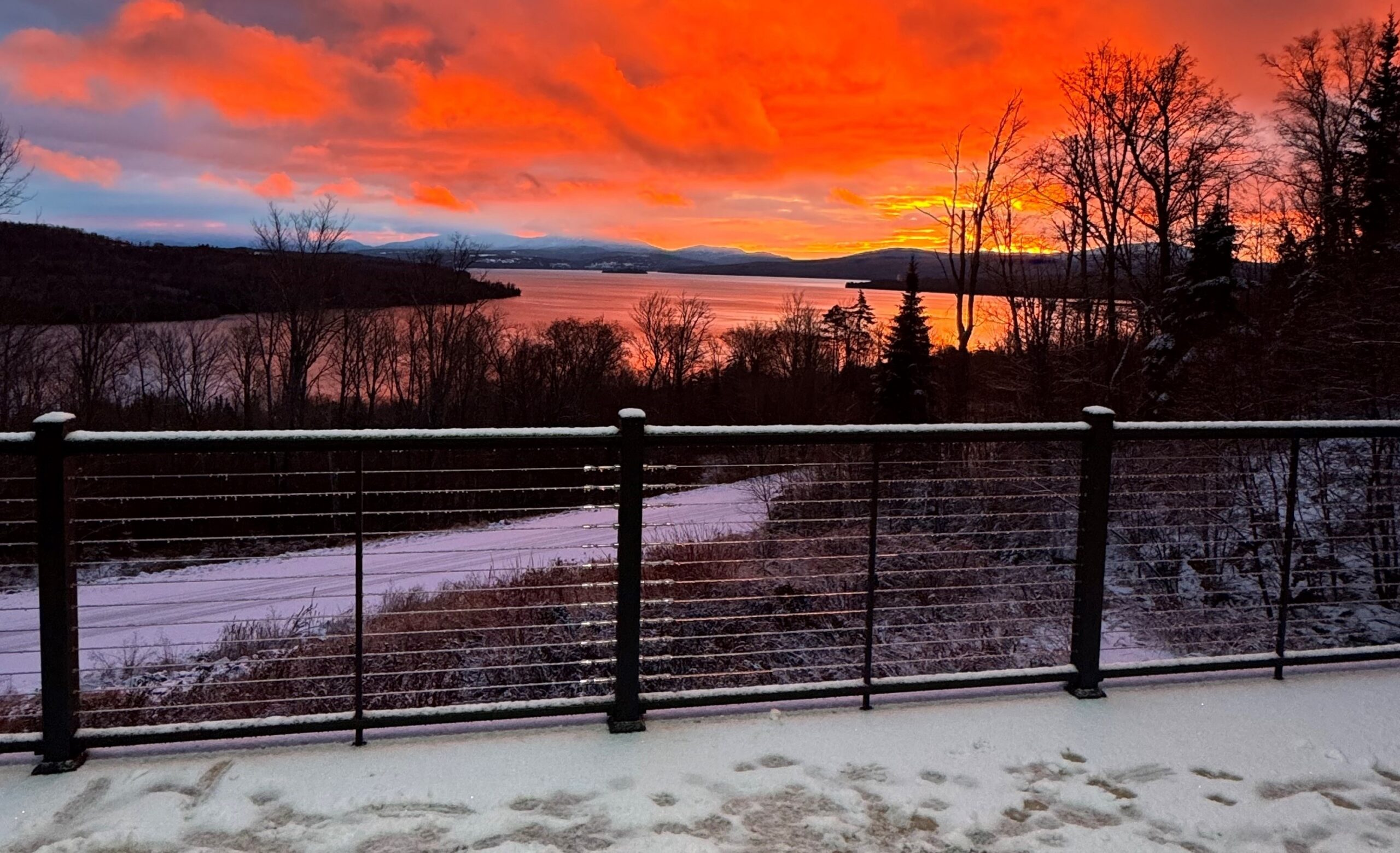
Yes, cable railing performs reliably in cold climates when built from the right materials. 316 stainless steel cable and fittings resist the corrosion, salt exposure, and temperature cycling that cold-weather environments produce. Cable may require re-tensioning after the first winter season as metal adjusts to temperature extremes, but properly installed systems hold up well for decades in snowy and icy conditions.
Cold-climate performance is one of the less-discussed aspects of cable railing, largely because most railing content focuses on coastal or warm-weather settings. But northern homeowners, mountain cabin owners, and builders in four-season climates have specific questions that a generic railing guide does not answer: what happens to cable tension when temperatures drop, how do you safely remove snow and ice without damaging the system, and does road salt accelerate hardware wear? This guide addresses those questions directly.
What Does a Cold-Climate Cable Railing Maintenance Schedule Look Like?
Seasonal maintenance keeps your system looking good and catches small issues before they become structural problems.
How Do Freeze-Thaw Cycles Affect Cable Tension and Fittings?
Freeze-thaw cycles cause the metal in cable railing to contract in cold weather and expand when temperatures rise. This thermal movement is small per cycle but cumulative over a winter season, and it can result in slightly reduced cable tension by spring compared to the tension level set at installation.
This is a normal characteristic of metal outdoor hardware and not a defect. The practical response is a spring re-tensioning inspection: after the first full winter, check each cable run for deflection at mid-span and tighten any that have loosened beyond the acceptable range for your system. After the first year, most systems stabilize and require only annual checks rather than post-winter re-tensioning every season. The RailEasy™ tensioning system from Atlantis Rail allows straightforward post-installation adjustment without disassembling the fitting, which makes seasonal re-tensioning easier than with swage-based systems.
Does Cold Weather Cause Cable Railing to Contract or Loosen?
Yes, cable contracts slightly in cold temperatures as metal responds to lower ambient heat. In very cold climates, such as areas that routinely see temperatures below minus 20 degrees Fahrenheit, this contraction can create visibly tighter cable runs during the coldest weeks of winter, followed by slight loosening as temperatures moderate. Neither state creates a safety or structural issue within the normal thermal range that residential outdoor hardware is designed to handle.
What cold weather does not do is damage stainless steel cable or fittings structurally. The tensile strength and corrosion resistance of 316 stainless steel are not meaningfully affected by cold temperatures in the range that outdoor railing experiences. The main concern in cold climates is ice accumulation in fitting cavities, which is addressed through proper drainage design at the post base and periodic cleaning during the season.
What Materials Are Best for Cable Railing in a Cold or Snowy Climate?
316 stainless steel is the best material for cable railing hardware in cold climates, particularly where road salt, de-icing products, or coastal salt air are also factors. Its molybdenum content provides corrosion resistance that 304 stainless steel and aluminum do not match in salt-exposed winter conditions. 316 stainless steel cable railing components from Atlantis Rail are specifically designed for outdoor durability in demanding environments, including cold-weather settings.
For post material in a cold climate, powder-coated aluminum or stainless steel both perform well. Wood posts are also viable but require more maintenance over time as freeze-thaw cycles affect wood expansion and contraction, potentially loosening post base fasteners that need annual checking. If you are choosing between post materials for a cold-climate application, stainless steel or powder-coated aluminum with quality fasteners and post base hardware rated for outdoor use will outlast wood with less intervention.
How Do You Remove Snow and Ice from Cable Railing Without Causing Damage?
Use a soft-bristle brush for snow removal from cable railing. Snow brushes designed for vehicles work well, as do standard household brooms with soft bristles. Avoid metal shovels, ice scrapers, or anything abrasive that could scratch the cable surface or fitting finish.
For ice that has accumulated on horizontal cable runs, allow it to melt naturally where possible, or use a plastic scraper gently along the cable surface. Avoid applying de-icing salts directly to cable railing hardware, since even salt-resistant stainless steel benefits from minimizing direct chloride contact over time. A post-winter rinse with fresh water removes any salt residue that accumulated from spray, splash, or proximity to treated walkways.
Does Road Salt or De-Icing Product Exposure Affect Stainless Steel Cable?
Road salt and de-icing products contain chlorides that, with extended direct contact, can contribute to surface corrosion on stainless steel hardware over time, even on 316 grade. The risk is manageable, not a reason to avoid stainless steel in cold climates, but it does mean periodic cleaning is important. Rinsing hardware with fresh water in late winter or early spring, after the road-salt season ends, removes chloride residue before it has extended contact with the metal surface.
For cable railing installed near driveways, parking areas, or heavily salted walkways, inspecting fittings and post bases annually for early signs of surface corrosion and cleaning promptly when residue is visible keeps the system in good condition over the long term.
Ready to Choose the Right System for Your Cold-Climate Project?
Atlantis Rail Systems’ 316 stainless steel cable railing is engineered for long-term outdoor performance in demanding conditions, including four-season climates with significant snow, ice, and salt exposure. Contact Atlantis Rail Systems to discuss which system and materials are best suited to your specific climate, project setting, and installation requirements.
Atlantis Rail Systems: The Leader in Cable Railing Systems
To learn more about beautiful and practical cable railing systems for your deck, stairs, and balconies, browse the Atlantis Rail Systems website. This Plymouth, MA-based company offers many unique, easy-to-install configurations complete with all necessary hardware to ensure a safe and code-compliant railing system.
For more information on planning cable railings for decks, contact the railing experts at Atlantis Rail Systems at 1-800-541-6829 or by completing the Contact Us Form.